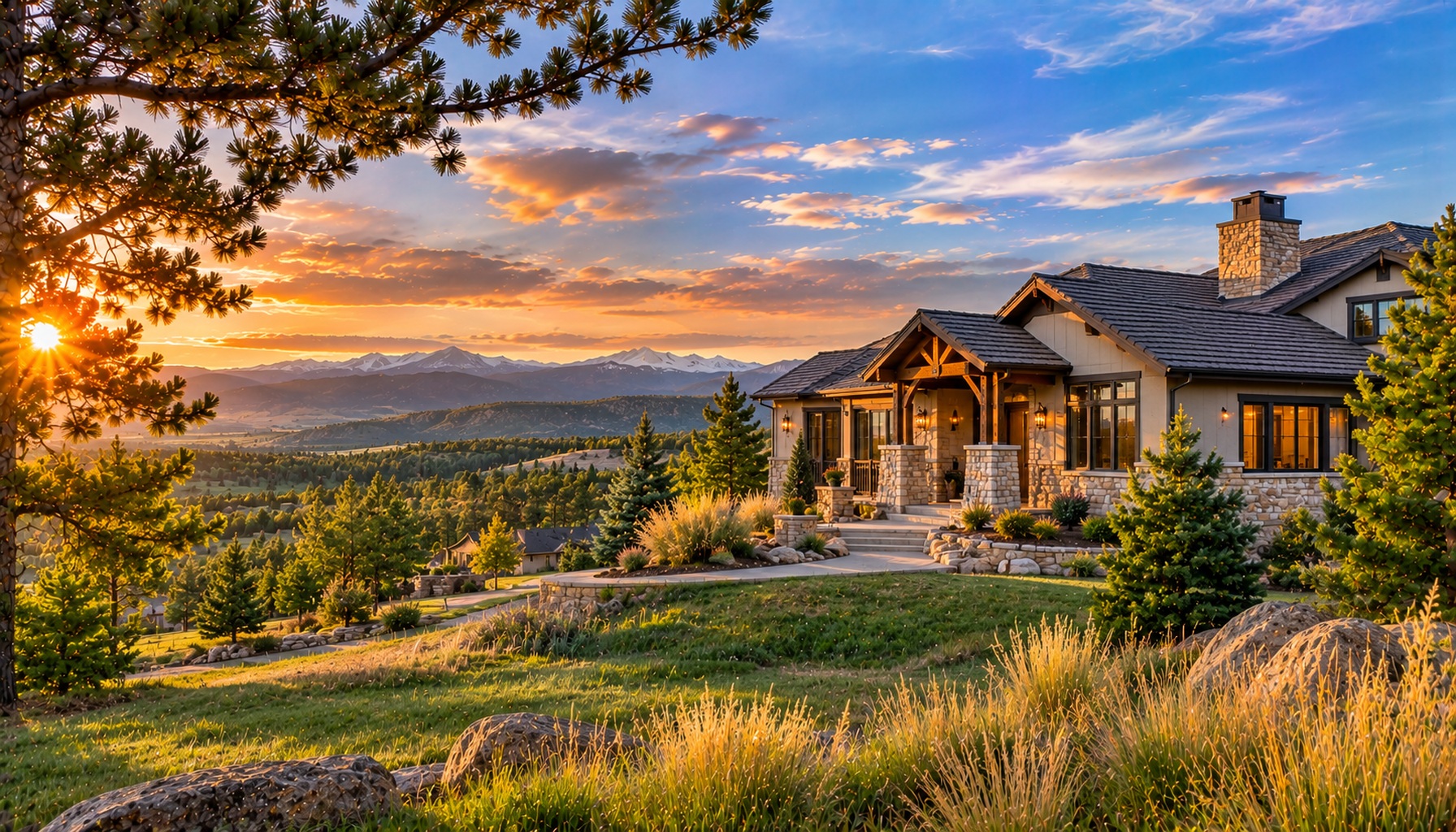
Living in Castle Pines, Colorado: Your Complete Community Overview
What is it really like to live in Castle Pines, Colorado, and is this community the right fit for your next move?
Castle Pines is a family-oriented, high-income residential community in Douglas County, about 20 miles south of Denver, offering three distinct neighborhood experiences, strong schools, and a median home price near $950,000 as of late 2026.
Why Castle Pines Deserves Your Attention Right Now
If you’ve been researching communities along Colorado’s Front Range, Castle Pines probably keeps showing up on your radar. There’s a reason for that. With a 2026 population of approximately 16,557, according to World Population Review, this city has grown by roughly 47.74% since the 2020 census. That kind of growth doesn’t happen by accident.
What I find most telling after 23 years working Colorado real estate is that Castle Pines attracts a very specific buyer: someone who wants the polish of a luxury suburb, the breathing room of open space, and the convenience of an I-25 corridor location. The community sits at approximately 6,500 feet of elevation, tucked between Denver’s metro core and the foothills, and it manages to feel quieter and more intentional than its neighbors. But “quiet” doesn’t mean “sleepy.” This is a community in motion, with new development, rising demand, and a lifestyle that keeps families rooted for decades.
So is it the right fit for you? Let’s break down what actually matters.
Understanding Castle Pines’ Three Distinct Neighborhoods
Here’s the thing most people don’t realize when they start searching for homes in Castle Pines: you’re not looking at one community. You’re looking at three, each with a completely different character and price point. Getting this distinction right before you start touring saves you enormous time.
The Village at Castle Pines
This is the gated, private, luxury enclave. We’re talking five manned gates, 24/7 security, and in-house emergency services spread across 2,800 acres with approximately 235,000 trees and 1,900 homes. The Village carried a median price of $1.6 million over the three months ending May 2026, per Homes by Turner analysis. Despite that premium, those homes sold in a median of 33 days, roughly half the 67-day median from the prior year. If you want estate living, golf, and structured exclusivity, this is where you look.
The Canyons at Castle Pines
This is the newer master-planned development drawing younger families. Anchored by the 1,100-acre Rueter-Hess Reservoir and 15 miles of trails, The Canyons gives you new construction ranging from roughly $650,000 to $1.8 million. What I tell my clients who are comparing Castle Pines to places like Highlands Ranch or Parker is that The Canyons hits a sweet spot: modern amenities, newer homes, and a trail system that connects your daily routine to genuine outdoor recreation.
Castle Pines North
This is the established residential area east of I-25, and it offers something the other two communities simply cannot yet: decades of lived-in character. Mature trees, winding streets, and the settled feel of neighborhoods where families have been raising kids for 25 years. Prices here range from approximately $700,000 to $1.5 million, making it the entry point for many Castle Pines buyers.
Additional neighborhoods like Daniels Gate ($750,000 to $1.3 million, known for larger lots and open space access) and Hidden Pointe ($1 million to $3 million and above, offering acre-plus lots and privacy) round out your options, per DougCoSocial’s 2026 neighborhood guide.
Castle Pines Home Prices and Market Conditions in 2026
You need real numbers to make a real decision. Here’s where Castle Pines stands right now.
According to Kenna Real Estate’s MLS data through October 2026, 252 Castle Pines homes sold over the trailing 12 months at a median of $950,000, which works out to $291 per square foot. Those homes closed at a median 98.5% of the last list price. Of those sales, 36 sold over asking and 162 sold under. That tells you something important: this is not a frenzied market, but well-priced homes are still moving.
Resideline data from October 2026 shows the six-month median sold price at $993,501, with the middle half of sales closing between $789,000 and $1,210,000.
What does that actually mean for your monthly budget? Based on Kenna Real Estate’s calculations for a median Castle Pines home at $925,000 with 5% down and a 7% note rate, you’re looking at approximately $7,050 per month. That breaks down to roughly $5,846 in principal and interest, $424 in property tax, $270 for homeowners insurance, $366 for mortgage insurance, and a median HOA of $141.
For context, the broader Douglas County market had a median sale price of $720,000 as of August 2026, per LocalAlpha data, with prices up only 0.5% year over year. Castle Pines, by contrast, saw prices jump 12.8% year over year over the three months ending May 2026, per Homes by Turner analysis. So while the county overall has been relatively flat, Castle Pines has been outperforming.
Having closed over 138 transactions in this market and carrying a perfect 5 out of 5 star rating across 118 client reviews, I watch these numbers closely because they shape the advice I give every buyer who contacts me.
Castle Pines Lifestyle: Schools, Commutes, and Daily Living
Schools in Castle Pines
Castle Pines falls within the Douglas County School District, which is widely regarded as one of Colorado’s strongest. Family households make up approximately 83% of all households in Castle Pines, with 40% including children under 18, per the City’s 2026 Economic Development Strategic Plan. This is very much a community built around raising families.
Your Commute from Castle Pines
Here’s where you need to be honest with yourself. Approximately 96% of Castle Pines residents work outside the city, with a 27-minute average commute, per the City’s 2026 Strategic Plan. With I-25 running right through the corridor, you have direct access north to the Denver Tech Center and Lone Tree or south to Castle Rock, Monument, and Colorado Springs. For remote workers, this commute data matters less, but it’s worth knowing that Castle Pines functions as a commuter community at its core.
Shopping, Dining, and Day-to-Day Errands
This is not a walkable community in the traditional sense, and I want you to know that upfront. The Town Center at Castle Pines and Village Square handle everyday retail and some dining. For heavier shopping, most residents drive five to ten minutes to Castle Rock along Meadows Parkway, or head north to Lone Tree and the Park Meadows area. If walkability is a dealbreaker for you, that’s worth weighing carefully.
Outdoor Recreation and Open Space in Castle Pines
One of the biggest reasons buyers choose Castle Pines over closer-in Douglas County communities is the sheer volume of protected natural space. The city protects roughly 560 acres of open space and about 74 acres of parks within its 9.55-square-mile footprint, per the City’s 2026 Strategic Plan.
Then there’s the broader regional access. Rueter-Hess Reservoir and Castlewood Canyon State Park are both within easy reach. Castle Pines’ rolling terrain, mature pine vegetation, and panoramic mountain views distinguish it along the Front Range and reinforce what makes this community feel different from the typical suburban subdivision.
For golf enthusiasts, Castle Pines is home to two Jack Nicklaus-designed championship courses, including the private Castle Pines Golf Club, which hosts PGA Tour events.
Who Thrives in Castle Pines (and Who Should Look Elsewhere)
After working Colorado real estate since 2002 and helping buyers across Douglas County, Elbert County, and the broader Denver Metro, I’ve developed a clear sense of who finds their perfect fit in Castle Pines and who would be better served elsewhere.
Castle Pines is ideal for you if:
- You’re a dual-income household earning in the range to support a $7,000-plus monthly housing payment
- You value quiet, family-oriented neighborhoods with significant open space
- You want strong Douglas County schools
- You’re comfortable with a car-dependent lifestyle and a reasonable commute along I-25
- You appreciate mature landscaping, panoramic views, and a community with genuine architectural standards
You might want to explore other communities if:
- Walkability and urban energy are non-negotiable for you
- Your budget is better aligned with a community like Elizabeth, where the median sold home price is $537,250 as of September 2026
- You’re looking for acreage or horse property, in which case Elbert County communities like Kiowa or Elizabeth offer far more land per dollar
As Ann Padilla shared about working with me: “Marjorie was such a pleasure to work with. She’s definitely on top of her game with knowledge of real estate and mortgages.” That knowledge matters most when you’re weighing communities against each other and need honest guidance, not a sales pitch.
Frequently Asked Questions About Living in Castle Pines
What is the median home price in Castle Pines in 2026?
The 12-month median sold price is $950,000, per Kenna Real Estate MLS data through October 2026. The six-month median from Resideline sits slightly higher at $993,501. The middle half of recent sales closed between $789,000 and $1,210,000, so your price range will depend on which neighborhood you target.
How fast is Castle Pines growing?
Castle Pines is currently growing at a rate of approximately 6.25% annually, per World Population Review. The 2026 population stands at roughly 16,557, up 47.74% since the 2020 census count of 11,207.
What is the average household income in Castle Pines?
The median household income in Castle Pines is $191,229, according to the City’s 2026 Economic Development Strategic Plan. In the gated Village at Castle Pines, that figure exceeds $250,001 per World Population Review.
Is Castle Pines a good place for families?
Yes. Family households account for approximately 83% of all households, with 40% including children under 18, per the City’s 2026 Strategic Plan. The Douglas County School District serves the area and is considered one of Colorado’s top-performing districts.
How long is the commute from Castle Pines to Denver?
The average commute for Castle Pines residents is 27 minutes, per the City’s 2026 Strategic Plan. The community sits on I-25 approximately 20 miles south of downtown Denver, with direct access to the Denver Tech Center and Lone Tree employment corridors.
What is the difference between Castle Pines and Castle Pines Village?
Castle Pines is the incorporated city. Castle Pines Village is a separate, private, gated community with its own security, emergency services, and governance. Village homes carry a median around $1.6 million as of spring 2026, per Homes by Turner analysis.
Are there new construction homes available in Castle Pines?
Yes. The Canyons at Castle Pines is the flagship new development, offering homes from approximately $650,000 to $1.8 million near the 1,100-acre Rueter-Hess Reservoir and 15 miles of trails.
What are property taxes like in Castle Pines?
Based on Kenna Real Estate’s monthly cost breakdown, property taxes on a median Castle Pines home at $925,000 run approximately $424 per month, reflecting an effective rate of roughly 0.55%.
How does Castle Pines compare to Highlands Ranch?
Highlands Ranch had a median sale price of approximately $685,000 in spring 2026 with roughly 13 days on market, per Homes by Turner analysis. Castle Pines homes typically sit at a higher price point with longer days on market, offering more open space and a less dense suburban feel.
What outdoor recreation is available in Castle Pines?
You’ll have access to roughly 560 acres of protected open space, 74 acres of parks, Rueter-Hess Reservoir, Castlewood Canyon State Park, and two Jack Nicklaus-designed golf courses, per the City’s 2026 Strategic Plan.
The Bottom Line on Living in Castle Pines
Castle Pines offers something genuinely rare along Colorado’s Front Range: the combination of a luxury, nature-integrated lifestyle with practical access to the Denver Metro employment corridor. Whether you’re drawn to the gated exclusivity of the Village, the newer energy of The Canyons, or the established warmth of Castle Pines North, you have options that fit different budgets and stages of life.
If you’re relocating to Colorado or exploring a move from a neighboring community like Parker, Castle Rock, or Highlands Ranch, the right guidance makes all the difference. With 23 years in Colorado real estate and deep roots serving Douglas County and Elbert County, I’d love to help you sort through the neighborhoods, the numbers, and the nuances that only come from local experience. Reach out to me, Marjorie Engle with Engle Homes Group at eXp Realty, at 303-881-2707 to start the conversation.