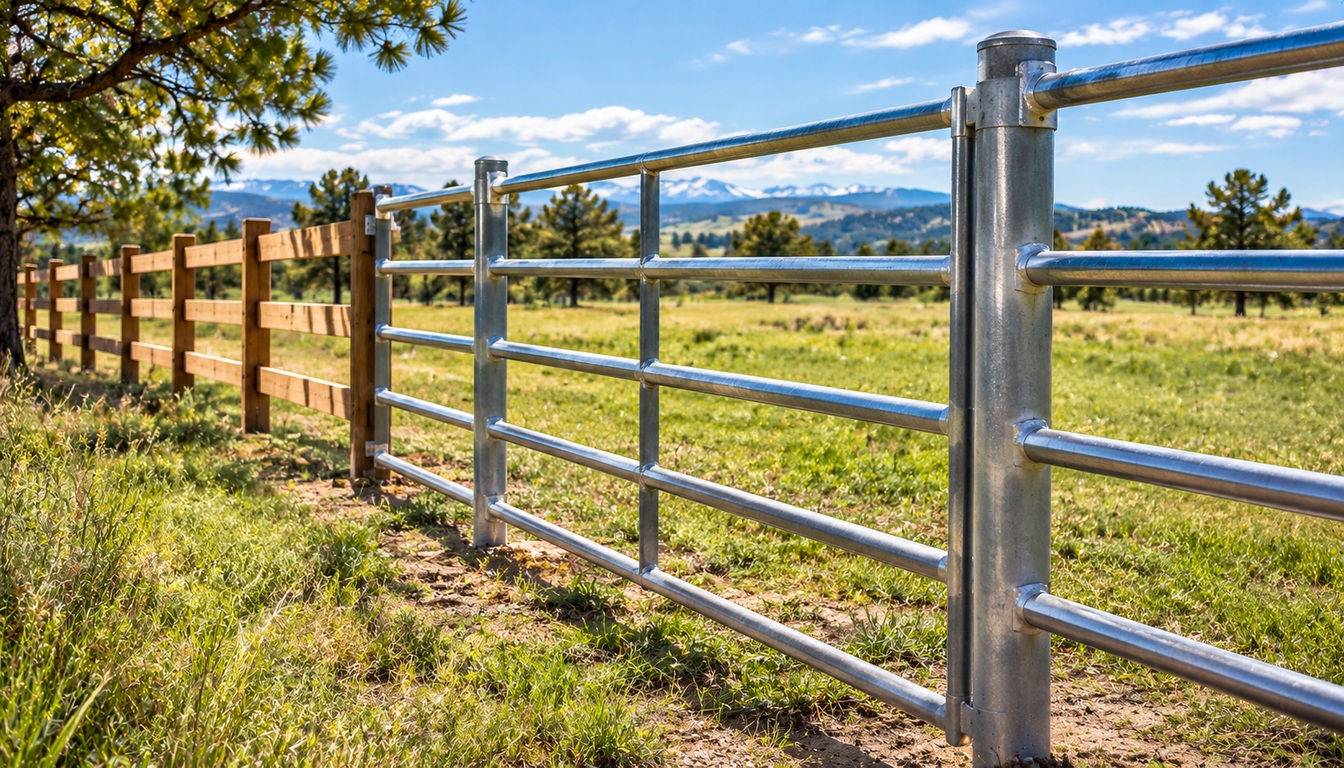
How to Evaluate Fencing and Pastures on Horse Property in Elbert County
What should you look for when evaluating fencing and pastures on horse property in Elbert County, Colorado?
You need to assess fence type, height, condition, and safety for horses, then evaluate pasture acreage, soil quality, water access, and forage sustainability before making an offer on any equestrian property.
Why Fencing and Pasture Quality Matters Right Now in Elbert County
If you are searching for horse properties in Elbert County or Elizabeth, you already know that horse properties command a serious premium. According to Colorado Horse Property data, a 10-acre horse property along the Front Range ranges from $800,000 to over $1.5 million in 2026. Building a custom four-stall barn or indoor arena now costs roughly 30% more than it did three years ago, per the same source, which means existing infrastructure is worth its weight in gold.
So what separates a property that simply has a fence and a shed from a genuine, functional horse farm? The answer often comes down to fencing integrity and pasture viability. I have worked in Colorado real estate since 2002, and with 23 years of experience specializing in horse properties, acreage, and land in Elbert County, I can tell you that this is the single area where I see buyers make the most costly assumptions. The fencing and pasture you inherit on day one will define your operating costs, your horses’ safety, and the long-term resale value of your property.
Evaluating Fence Types and Safety for Elbert County Horse Properties
Not all fencing is created equal, and what works for cattle in the eastern plains will not necessarily keep your horses safe. Here is what you should inspect on any horse property walkthrough in Elizabeth, Kiowa, Franktown, or the surrounding Elbert County communities.
Safe Fencing Options for Horses
- Pipe or steel panel fencing. This is the gold standard for equestrian properties. It is highly visible to horses, extremely durable in Colorado’s wind and snow, and requires minimal maintenance. You will see this on many of the established properties along County Road 134 near Kiowa and in acreage subdivisions off Singing Hills Road near Elizabeth.
- Wood plank fencing (three or four board). Classic, attractive, and safe. However, Colorado’s dry climate and intense UV exposure mean wood fences deteriorate faster here than in more humid states. Check every post for rot at the base, especially in low spots where snow melt pools.
- Coated wire or high-tensile polymer fencing. An increasingly popular option in Elbert County because it handles temperature swings well. Look for products designed specifically for horses with smooth coatings, not agricultural barbed wire.
Fencing Red Flags to Watch For
- Barbed wire. This is the most common fencing hazard I see on properties that were originally cattle operations. Barbed wire causes devastating lacerations in horses. If a property is lined with barbed wire, factor in the full cost of replacement before you make an offer.
- T-post tops without caps. Exposed metal T-post tops can impale a horse that rears or runs into a fence line. Caps are inexpensive, but missing caps across an entire property signal deferred maintenance.
- Sagging or leaning sections. Walk the full perimeter. Colorado’s freeze-thaw cycle heaves fence posts out of the ground over time, and high winds along the Elbert County prairie can stress even well-set posts. Any section that leans more than a few degrees is a replacement candidate, not a repair.
What I tell my clients is this: always budget for fence repair or replacement as a line item in your offer analysis, even on properties that look solid from the driveway. The back corners of a 10- or 20-acre parcel often tell a very different story than the road frontage.
Assessing Pasture Quality and Forage in Colorado’s Semi-Arid Climate
This is where Elbert County horse property evaluation gets specific to our climate. You cannot apply pasture standards from Kentucky or Virginia here. Colorado’s semi-arid conditions demand a different approach.
Acreage Per Horse
Colorado Horse Property data recommends planning for 2 to 3 acres per horse for sustainable forage in our semi-arid climate. That means a 10-acre property realistically supports three to five horses, depending on soil quality and water access. If you are touring a property marketed as supporting more horses than the acreage can sustain, that is a warning sign of overgrazing history.
What Healthy Pasture Looks Like in Elbert County
Walk the pastures and look down. Healthy Front Range pasture should show a mix of native grasses with minimal bare soil exposure. Here is what you are checking:
- Ground cover percentage. You want to see grass covering at least 70% or more of the pasture surface. Large patches of bare dirt indicate overgrazing, poor soil, or drainage problems.
- Grass species diversity. A mono-culture lawn is not pasture. Look for a variety of grasses and legumes adapted to our elevation and rainfall patterns.
- Weed pressure. Heavy thistle, cheatgrass, or bindweed infestations signal neglect and can cost thousands to remediate. Ask the seller about their weed management history.
- Manure management. Are there manure piles scattered throughout the pasture, or does the property show evidence of regular composting and dragging? Parasite loads in horses correlate directly with pasture sanitation.
The “Dirt vs. Pasture” Distinction
As noted in the research from Colorado Horse Property, buyers must distinguish between “dirt” and “irrigated pasture.” True pasture requires specific soil compositions and consistent moisture. Without these, supplemental hay can exceed $300 per ton in peak seasons, per 2026 market data. That ongoing cost changes the entire financial picture of owning a horse property.
Elbert County’s sandy soil is actually favorable for horse keeping because it drains well and reduces mud, but it is not naturally lush pastureland. You need to understand what irrigation infrastructure exists, whether there are water rights attached to the property, and whether the well can support both household and livestock needs.
Water Rights and Their Connection to Pasture Viability in Elbert County
You cannot evaluate pastures without evaluating water. In Elbert County, these two conversations are inseparable.
Properties with senior water rights are in a specialized seller’s market in 2026, according to industry data. What I always recommend is that you verify the following before going under contract:
- Well permit details. Is the well permitted for livestock watering, or only domestic use? This distinction matters legally in Colorado.
- Water court decrees. If the property has surface water rights or augmentation rights, confirm they are current and transferable.
- Irrigation infrastructure. Flood irrigation, pivot sprinklers, or drip lines, whatever the system is, test it during your inspection period. A pasture that looks green in June may be bone dry by September if the irrigation system is failing.
With 138 closed transactions and deep specialization in wells, septic, and water rights, I navigate these details with buyers every week. This is not something to figure out after closing.
How Fencing and Pasture Condition Affects Your Offer Price
Here is the practical decision-making framework. When you find a horse property you love in Elizabeth or Kiowa, the condition of the fencing and pastures should directly influence your offer strategy.
Turnkey Properties Command a Premium
The research confirms that buyers in 2026 are prioritizing turnkey equestrian estates that offer immediate utility, and this preference has created a record premium for properties with professional-grade infrastructure. If the fencing is safe, the pastures are healthy, and the water system supports the operation, you are looking at top-dollar pricing.
Properties Needing Work Create Opportunity
Conversely, a property with barbed wire fencing, overgrazed pastures, or a failing irrigation system may be listed lower, but you need to calculate the true cost of bringing it up to standard. Replacing a full perimeter fence on 10 acres can easily run $15,000 to $40,000 or more depending on materials. Pasture restoration, including soil amendment, reseeding, and weed treatment, takes one to three growing seasons to show results.
In this market, as of September 2026, Elizabeth’s median sold price sits at $615,000 with a year-over-year price trend of negative 3.0%, per county records. That softening gives you room to negotiate, especially if you can document deferred maintenance on fencing and pastures during inspections.
Zoning, Livestock Limits, and Future-Proofing Your Elbert County Property
Before you fall in love with a property’s pastures, confirm the zoning supports your plans. Douglas County has been considering new zoning rules that may restrict the number of horses allowed on smaller parcels, per 2026 industry reporting. Elbert County’s horse-friendly zoning has historically been one of its biggest draws, but as the county grows, it is worth verifying current regulations with the county planning office.
What does this mean for you? An established horse property in Elbert County with conforming zoning, adequate acreage, and grandfathered livestock allowances becomes more valuable over time as available parcels shrink. Historically, Elbert County consisted of 1- to 10-acre parcels, ranch properties, and small rural subdivisions, but as land in the western part of the county has become scarcer, those property types have grown increasingly expensive, according to reporting from the Denver Gazette.
Frequently Asked Questions
How many acres do I need per horse in Elbert County, Colorado?
Plan for 2 to 3 acres per horse for sustainable forage in Colorado’s semi-arid climate. This accounts for rotational grazing needs and prevents overgrazing. A 10-acre property can typically support three to five horses depending on pasture quality, water access, and whether you supplement with hay.
What type of fencing is safest for horses in Colorado?
Pipe or steel panel fencing is the safest and most durable option. Wood plank fencing works well but requires more maintenance in Colorado’s dry, UV-heavy climate. Avoid barbed wire entirely, as it causes serious injuries to horses and should be replaced before you move animals onto the property.
How do I know if a pasture has been overgrazed?
Look for large patches of bare dirt, heavy weed infestation (especially thistle and cheatgrass), and lack of grass diversity. Overgrazed pastures may take one to three full growing seasons to restore with proper soil amendment, reseeding, and managed grazing rotation.
Why are water rights important when evaluating horse property pastures?
Without adequate water rights and a functioning irrigation system, pasture in Elbert County will not sustain forage through the summer. Colorado law governs water use strictly, so confirm that the well permit covers livestock watering and that any surface water rights are current and transferable.
How much does it cost to replace fencing on a horse property?
Full perimeter fence replacement on a 10-acre property can range from $15,000 to $40,000 or more, depending on whether you choose pipe fencing, wood plank, or coated high-tensile wire. Factor this into your offer if the existing fencing is barbed wire or in poor condition.
What is the difference between a horse property and a horse farm?
A horse property may simply have a fence and a shed. A horse farm has the infrastructure and water rights to support long-term agricultural viability, including safe fencing, maintained pastures, barns, arenas, and adequate water systems. Always evaluate function, not just appearance.
Can I keep horses on any property in Elbert County?
Elbert County has historically been horse-friendly in its zoning, but you should always verify current livestock allowances with the county planning office before purchasing. Regulations can vary by parcel size and subdivision covenants.
How much does supplemental hay cost if my pasture is not productive?
Supplemental hay can exceed $300 per ton in peak seasons, per 2026 Colorado Horse Property market data. Poor pasture quality can add thousands of dollars per year per horse to your operating costs.
Should I get a separate inspection for fencing and pastures?
Yes. A standard home inspection will not evaluate fencing, pasture health, or equestrian infrastructure. Consider hiring an equine property specialist or agricultural consultant in addition to your general home inspector.
What makes Elbert County a top location for horse properties along the Front Range?
Elbert County’s sandy soil drains well and reduces mud, the zoning is horse-friendly, and the county offers larger parcels than nearby Douglas County. Parker, Elizabeth, and Castle Rock form what the industry calls the “equestrian golden triangle” of the Front Range.
The Bottom Line
Evaluating fencing and pastures is not a cosmetic exercise. It is the most important financial and safety analysis you will do when purchasing a horse property in Elbert County. Walk every fence line. Get on your knees and look at the grass. Verify the water rights. Calculate what deferred maintenance will cost you before you write your offer.
With 23 years in Colorado real estate, 118 five-star reviews, and deep specialization in horse properties, acreage, wells and septic, and water rights, I help buyers in Elizabeth, Kiowa, Franktown, and throughout Elbert County evaluate these exact details every day. If you are looking at homes for sale in Elbert County and want a top realtor who actually lives this lifestyle, give me a call at 303-881-2707. I am Marjorie Engle with Engle Homes Group at eXp Realty, and I would love to help you find the right property.