Buying Acreage in Elbert County: What to Check Before You Write an Offer
Buying acreage in Elbert County offers an exciting opportunity to enjoy Colorado’s wide-open spaces, stunning mountain views, and rural lifestyle. Whether you’re planning to build your dream home, start a small ranch, invest in land, or simply enjoy extra privacy, purchasing vacant land requires more due diligence than buying an existing home.
Before submitting an offer, here are the most important items every buyer should verify.
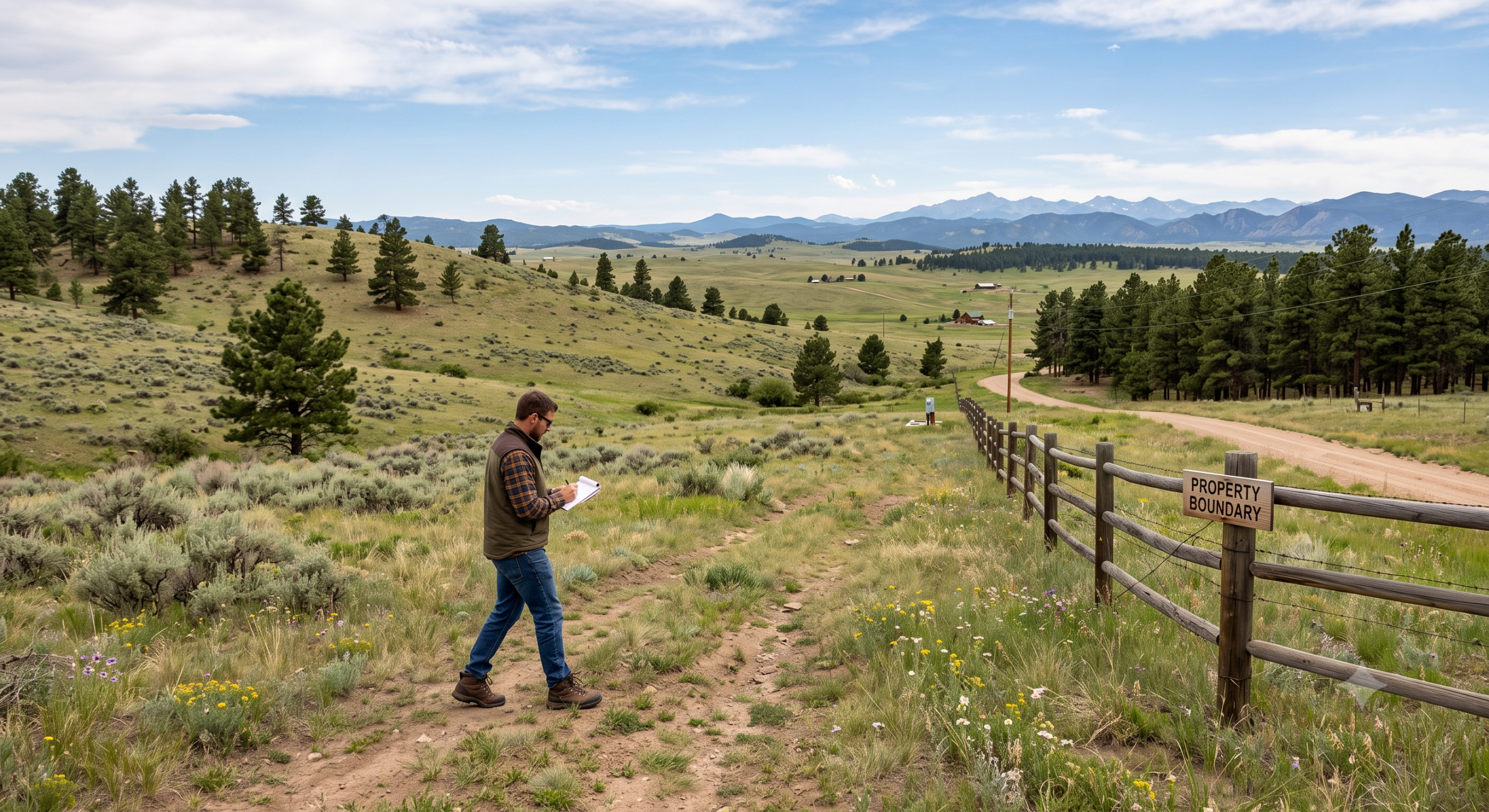
1. Confirm the Property Boundaries
Never rely solely on online maps or listing photos.
Ask for:
- A recent Improvement Location Certificate (ILC) or survey
- Legal description
- Corner markers
- Easements affecting the property
If boundaries aren’t clearly identified, consider ordering a professional survey before closing.
2. Verify Zoning and Land Use
Every parcel has zoning regulations that determine what you can build or use the property for.
Questions to ask include:
- Can you build a residence?
- Are accessory buildings allowed?
- Can you keep horses or livestock?
- Are short-term rentals permitted?
- Can you subdivide the land later?
Elbert County zoning regulations vary depending on the location.
3. Understand Water Rights
Water is one of the most important considerations when purchasing Colorado acreage.
Determine:
- Does the property include a well?
- Is there a well permit?
- Are water rights included?
- Can you drill a new well?
- Are there irrigation rights?
Water availability can significantly impact both value and future development.
4. Check Utility Availability
Some rural properties already have utilities nearby, while others require significant investment.
Verify availability of:
- Electricity
- Natural gas or propane
- Internet service
- Cell reception
- Septic suitability
- Water source
Bringing utilities to remote parcels can add tens of thousands of dollars to your project budget.
5. Review Road Access
Legal access is essential.
Ask:
- Is the road county maintained?
- Is it privately maintained?
- Are there recorded easements?
- Is the property accessible year-round?
- Who pays for road maintenance?
Winter access should also be considered in rural Colorado.
6. Evaluate Topography
Not every beautiful parcel is easy to build on.
Walk the property and examine:
- Slope
- Drainage
- Rock formations
- Flood-prone areas
- Building sites
- Soil conditions
Steep terrain can dramatically increase construction costs.
7. Investigate Soil and Septic Requirements
Most rural homes require septic systems.
Before buying, determine whether the property:
- Has completed percolation (perc) testing
- Qualifies for a conventional septic system
- Requires engineered septic solutions
Poor soil conditions can increase installation costs.
8. Review Covenants and HOA Rules
Some acreage communities have covenants that regulate:
- Home size
- Exterior appearance
- Outbuildings
- Livestock
- RV storage
- Fencing
Don’t assume rural land has no restrictions.
9. Research Property Taxes
Land taxes are generally lower than residential homes but vary based on:
- Agricultural classification
- Conservation status
- Improvements
- Future development
Ask your real estate agent to review current tax records before making an offer.
10. Consider Financing Options
Financing vacant land differs from purchasing a home.
Many lenders require:
- Larger down payments
- Higher interest rates
- Shorter loan terms
- Excellent credit
If you plan to build soon, construction loans may offer additional flexibility.
11. Review Environmental Considerations
Natural features may affect development.
Investigate:
- Wetlands
- Wildlife habitats
- Floodplains
- Fire risk
- Conservation easements
These factors may influence insurance costs and future building plans.
12. Work With a Local Land Expert
Buying acreage requires knowledge beyond traditional residential real estate.
A local Elbert County real estate professional can help you:
- Review disclosures
- Understand zoning regulations
- Evaluate comparable land sales
- Coordinate inspections
- Negotiate favorable contract terms
Working with an experienced local expert helps reduce surprises and protects your investment.
Final Thoughts
Buying acreage in Elbert County can be an incredible investment and lifestyle opportunity, but it pays to do your homework before writing an offer. From water rights and utility access to zoning and surveys, every detail matters when purchasing rural land.
Taking the time to verify these key factors can help you avoid unexpected costs and ensure the property truly fits your long-term goals.